The trust layer of
the internet
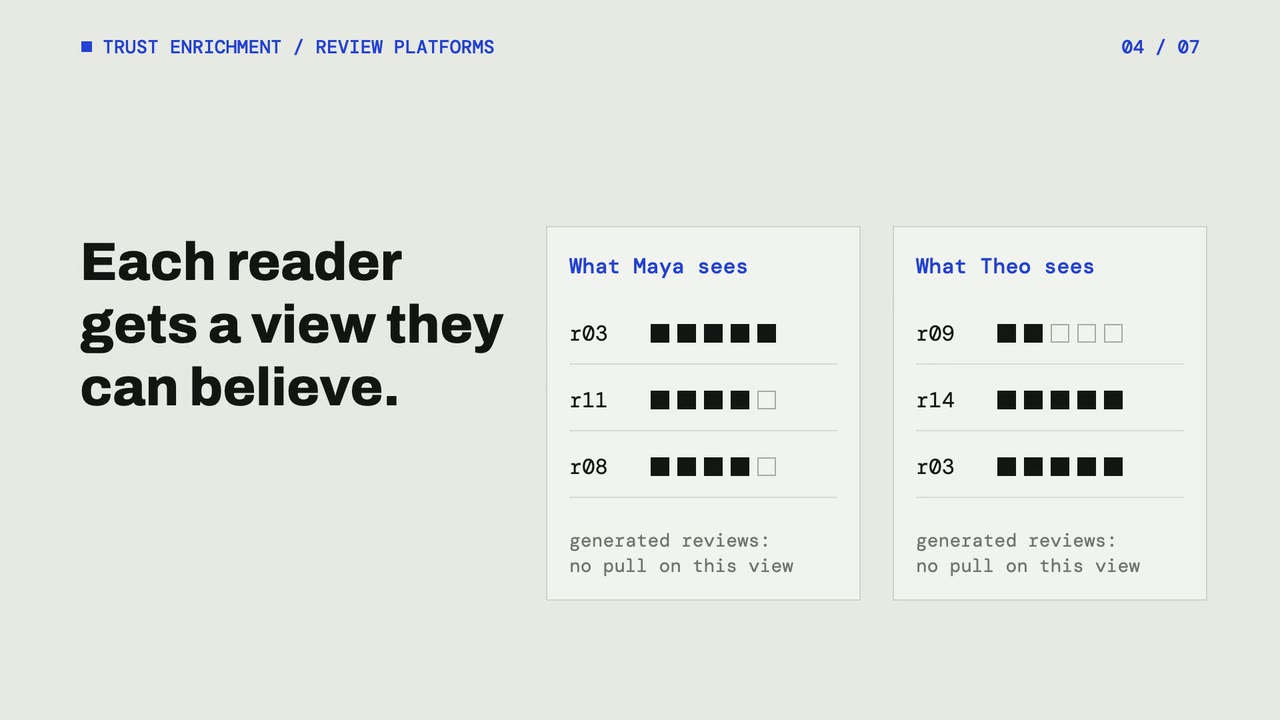
UpTrust computes who trusts whom from real endorsements: citations, stars, reviews, thanks, follows. Wherever something gets ranked, the layer fits: fake reviews lose their pull, feeds stop rewarding outrage, and AI agents finally know who you trust about what.
One layer, three applications
The agentic economy
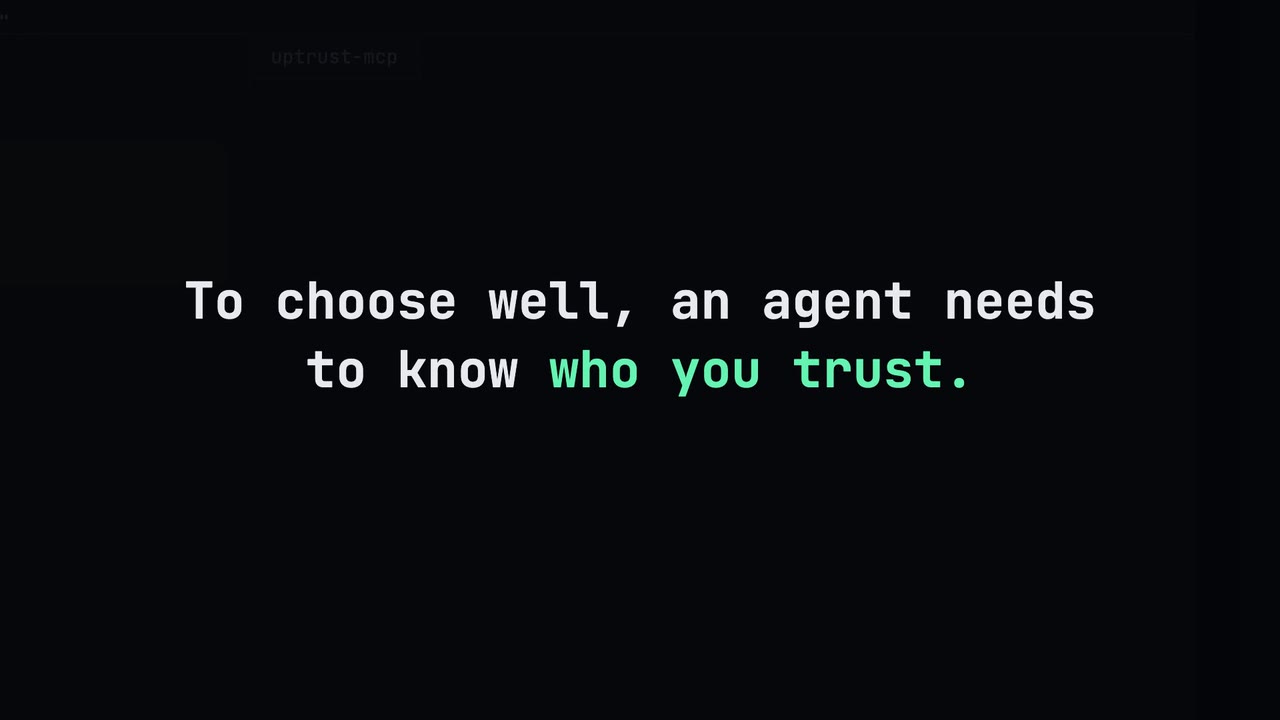
AI agents are starting to read, shop, and choose for people. To choose well, an agent needs to know who that person trusts. A live MCP server gives any agent the person permits exactly that.
How agents ask →Social media
uptrusting.com ranks a whole feed by who you trust instead of what keeps you scrolling. The first product on the engine, live today.
Visit uptrusting.com →Any recommendation system
Marketplaces, review sites, communities, code hosts. Point the engine at the endorsements you already record and recommendations become personal, explainable, and hard to game.
License the layer →Counting is easy to fake
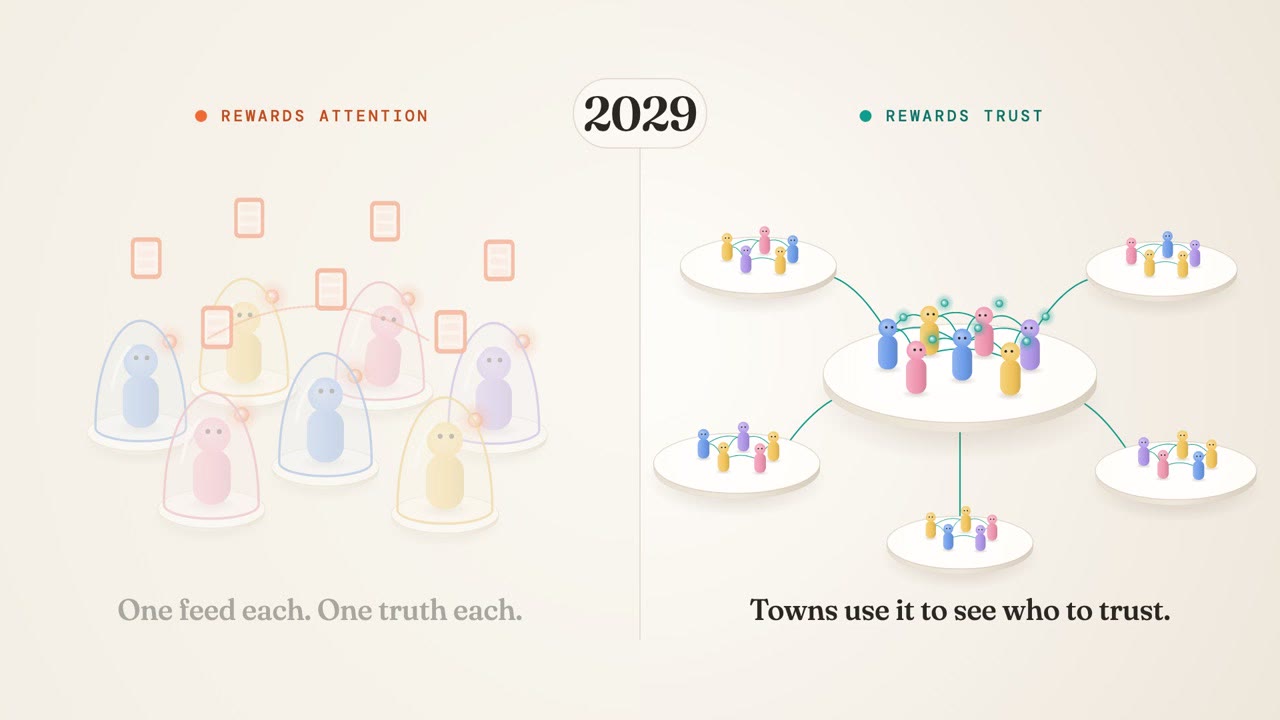
Most rankings count how many. How many stars, likes, or reviews. Bots, review farms, and brigades are good at manufacturing how many. They cannot manufacture who trusts you.
Engagement ranking has its own problem. It rewards outrage, because outrage keeps people scrolling. The loudest posts win, and the feed gets worse.
Now AI agents read those same numbers to choose for you. An assistant picking from a five-star average inherits every fake review behind it. Delegation makes a bad signal worse.
Who, not how many
Point the engine at a record of who endorses whom. It turns every act into evidence of trust or distrust, then works out what should rank for each person, one viewer at a time.
Every act is evidence
A citation, a star, a thanks, a review. Each one is a small signal of trust, or distrust, between two people.
Trust propagates
You inherit, at a discount, the trust of the people you trust. Trust flows through the graph instead of stopping at one hop.
Rankings are viewer-relative
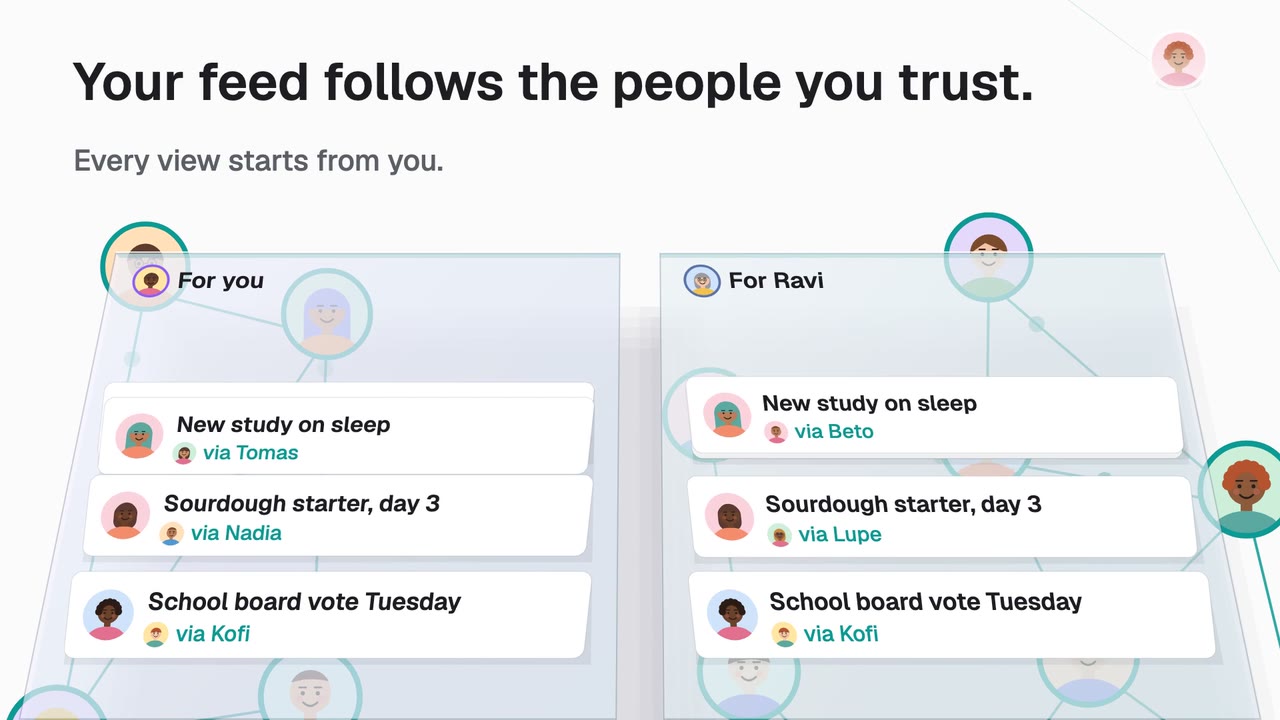
There is no single global score. The same items rank differently for every viewer, weighted by who endorsed them.
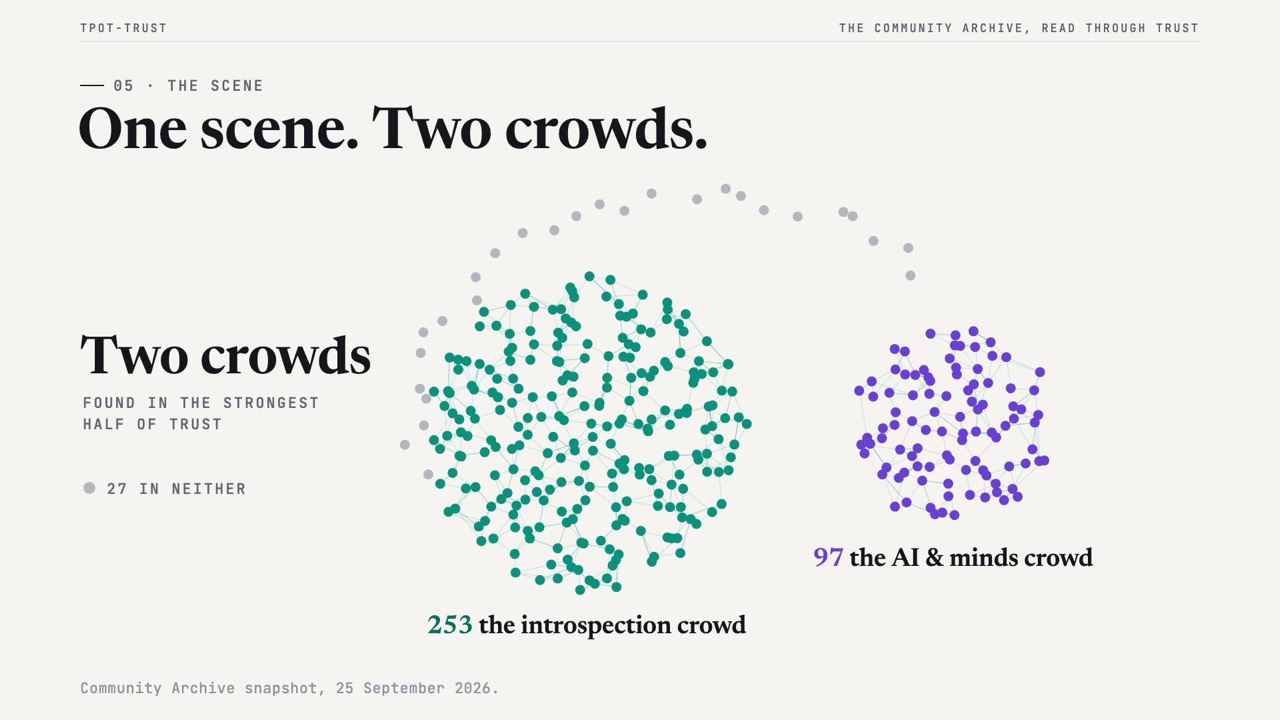
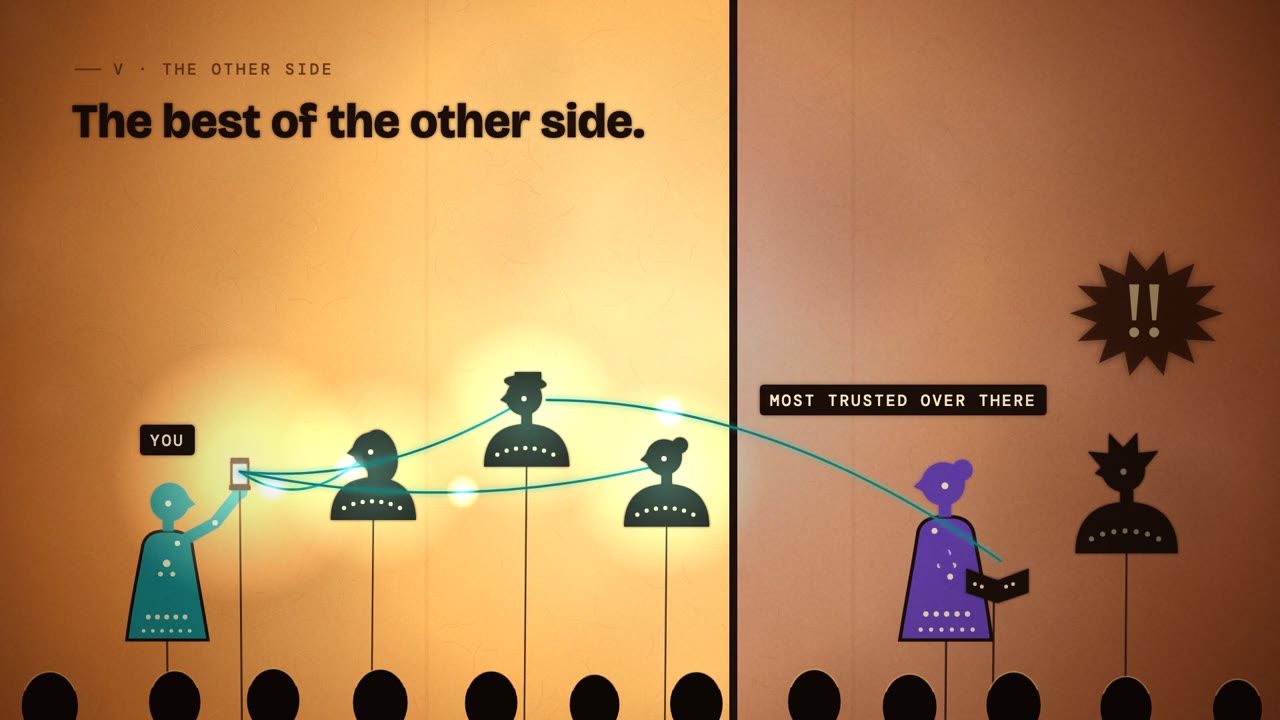
The engine also finds communities in the graph and computes bridge scores: content that earns real endorsement from both sides of a disagreement.

One engine, any record of trust
The four sites below are not four products. They are the same engine pointed at four different public records, with no manual input. Pick a viewer, see that viewer's ranking, then switch viewers and watch it reshuffle. Every graph weighs distrust as well as trust. And the engine reads each one as a field: named communities, the pull each exerts on every viewer, and the bridges both sides respect.

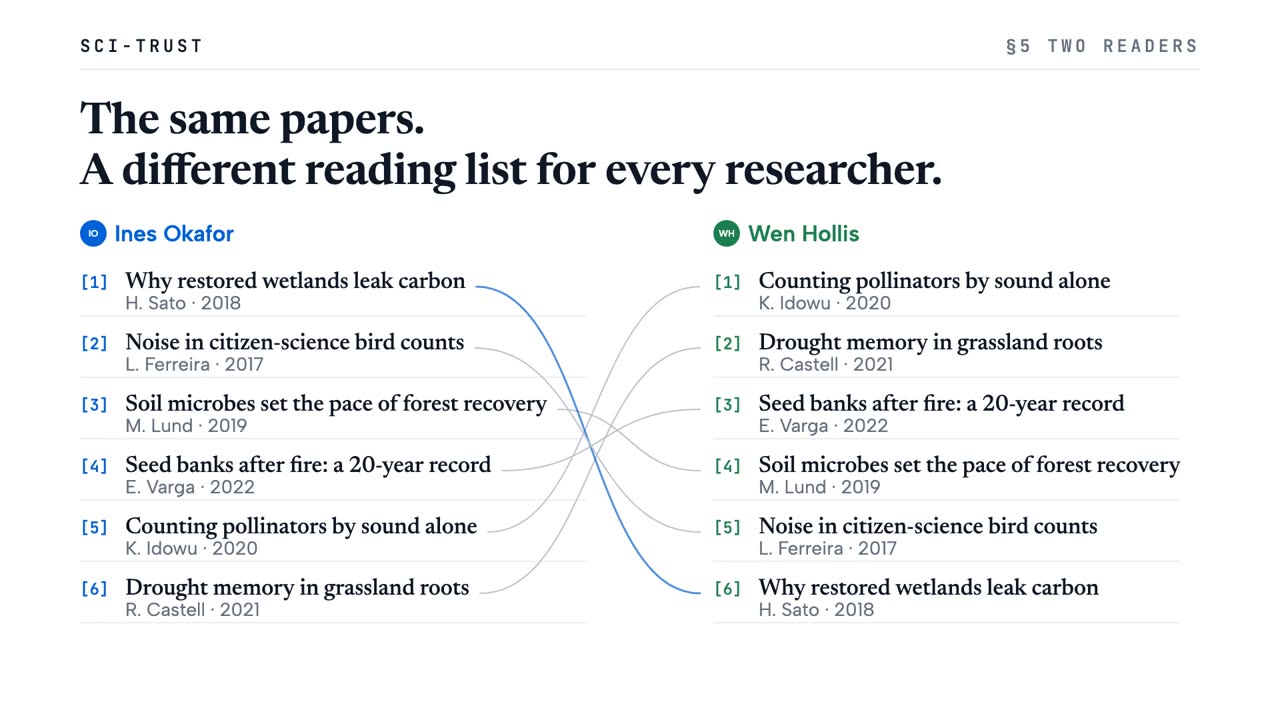
AI/ML research papers
arXiv + Semantic Scholar, trust from the citation graph.
The same papers. A different reading list for every researcher.
~25,000 papers · ~3,000 researchers
Open demo →GitHub open source
GH Archive star graph, trust from who stars whom.
The same repos. A different 'top' list for every developer.
~35,000 repositories · ~8,000 developers
Open demo →English Wikipedia
Trust from the editor-to-editor thanks log.
The encyclopedia anyone can edit, ranked by editors you'd actually trust.
~236,000 articles · ~9,000 editors
Open demo →Local business reviews
Yelp Open Dataset, trust from taste agreement.
A research demonstration on the Yelp Open Dataset. Educational use only.
~20,000 businesses · ~23,000 reviewers
Open demo →Follows, purchases, commits, reviews, thanks. If a record shows who endorses whom, the engine can rank with it. Four graphs today. The pattern repeats.
A trust source agents can ask
When an agent books your table, shortlists your reading, or picks a vendor, it is spending your trust. A live MCP server lets it draw on the real thing: your own trust graph, with your permission, granted through OAuth.
What an agent can ask
Rank a set of options, check trust on a topic, find trusted voices, find bridges (the voices both sides of a disagreement still trust), and suggest introductions. Every answer comes from that specific person's perspective.
Permission is the product
The person grants access and can revoke it. Trust comes back as a band, never a raw score, so nothing about the underlying graph leaks out.
One server, many graphs
The social app and the science, git, and wiki graphs sit on one federated server as separate issuers. New graphs join the same way. It works with Claude and any MCP-aware agent.
"Find us a dinner spot for Friday."
An agent reading star averages picks the place with the best review farm. An agent reading your trust graph books the spot your food-obsessed friends keep going back to, and can say who.
"Pick a database library for this service."
Sorted by stars, the bot-inflated repo wins. Ranked through your graph, the winner is the one that developers you respect keep reaching for.
Frequently
Asked
Questions
Everything you need to know about UpTrust and how it works.
What is UpTrust?
UpTrust builds a personalized trust engine. It reads who endorses whom and works out who trusts whom, and what should rank for each person. Our first product is a social platform built on it, and the same engine runs live over four public datasets.
How does trust-based ranking work?
Every endorsement, a follow, a citation, a star, a review, becomes evidence of trust or distrust between two people. Trust propagates: you inherit, at a discount, the trust of the people you trust. Whatever you look at is then ranked from your own point of view, weighted by who endorsed it, not how many. You might trust someone on climate science but not on economics. That nuance is the payoff: results match how you actually judge each subject. And because rank is viewer-relative, noise reaches you only through people you trust. It has no other way in.
Is UpTrust available now?
Yes. The social platform is live at uptrusting.com. The four demo graphs are public, and the MCP server is live for AI agents. For platform licensing, start on the partners page.
Can other platforms use the trust engine?
Yes. The engine runs on data platforms already have: follows, reviews, stars, purchases. It computes personal, explainable, manipulation-resistant rankings. See the partners page.
Can AI agents use it?
Yes. A live MCP server lets an agent query a person's trust graph with that person's permission. MCP is an open standard, so it works with Claude and any MCP-aware agent. The setup guide shows how to connect yours.
What does this look like for a marketplace or a gig platform?
A marketplace can rank sellers and products for each buyer, weighted by buyers whose judgment matches theirs, so review farms stop paying off. A ride or delivery platform can weigh each rating by who left it instead of averaging them all. Same engine, their data.
Can a company use it internally?
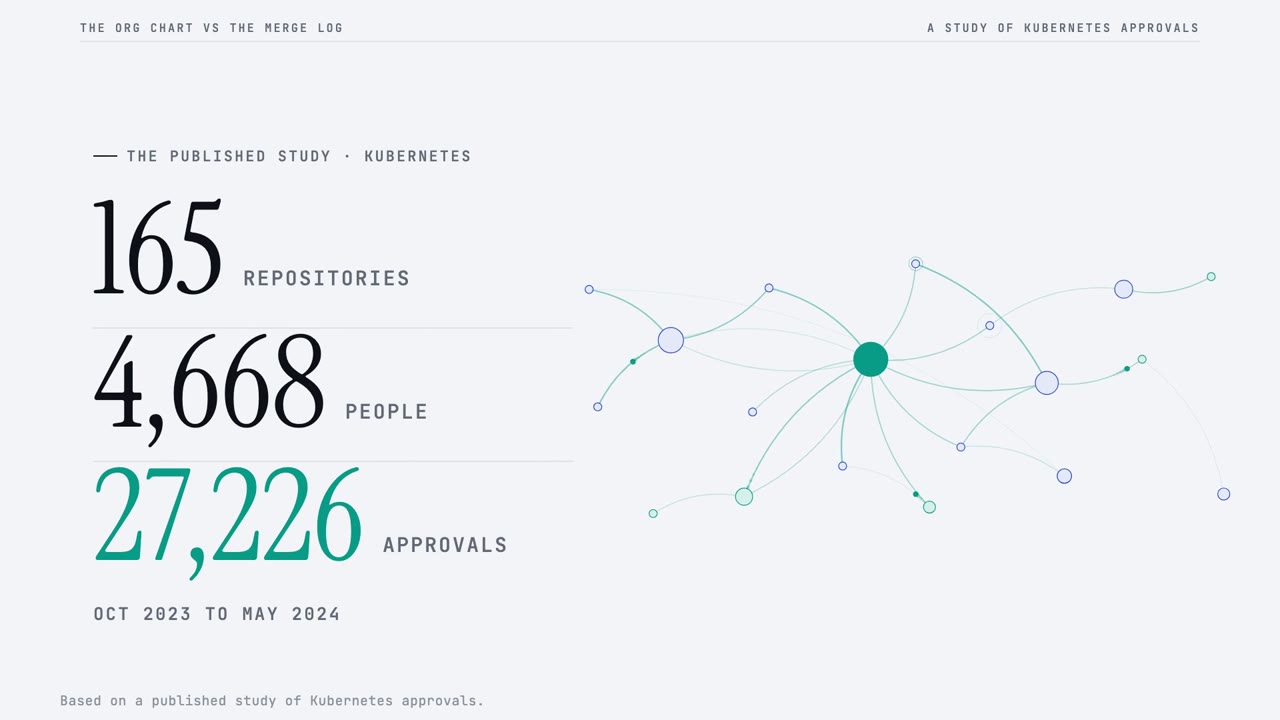
Yes. Code reviews, doc links, and thanks are endorsement records too. Point the engine at them and people find the answers, documents, and experts their own colleagues rely on, ranked for each asker. The field view shows how each team actually sees a proposal, a tool, or another team, not how the org chart says they should. And because standing is read from real acts all year, feedback and reviews start from evidence instead of recollection.
Won't personalized trust create echo chambers?
It runs the other way. The engine scores bridges, content endorsed by both sides of a disagreement, and the field view shows the pull of communities you never joined. An echo chamber hides the other side. This shows you exactly where it is and what it respects.
The first instance is a
social platform built on trust
uptrusting.com is a social platform where content rises on credibility, not clicks. You decide who you trust, and your feed reflects it. It is live today.